
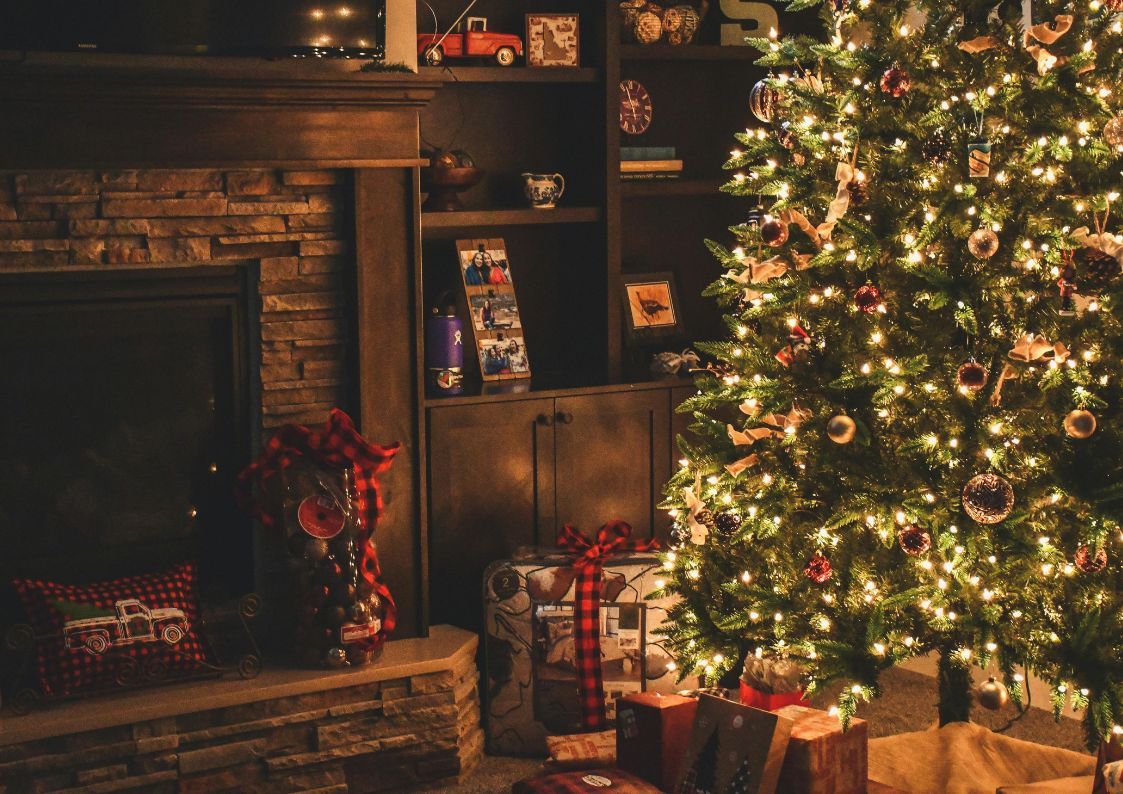
Photo by Brett Sayles
Christmas in Spain isn’t just a day, it’s a season. From twinkling lights and bustling markets to long family meals that stretch long into the night, Spain celebrates the holidays with heart, flavor, and plenty of tradition.
Whether you’re spending your first Christmas in Spain or planning a festive family visit, here’s what makes the Spanish holiday season so special, and how to experience it like a local.
Photo by Jeswin Thomas
The Magic of a Spanish Christmas
Spain’s Christmas season officially begins in early December and continues well into January. Streets fill with lights, belenes (nativity scenes) appear in every plaza, and families start preparing for a series of beloved celebrations, each with its own traditions, foods, and customs.
If you’re used to the quick pace of the holidays elsewhere, you’ll find Spain refreshingly different. Here, Christmas isn’t a rush; it’s a rhythm.
Key Dates and Festivities
December 22: El Gordo – The Big Lottery
The season begins with El Gordo, Spain’s world-famous Christmas lottery. Families and friends gather to watch the televised draw, and for many, it’s not about winning but sharing the excitement.
December 24: Nochebuena (Christmas Eve)
Spanish Christmas Eve is all about family. Most families enjoy a long evening meal featuring seafood, roast meats, and traditional sweets like turrón (almond nougat) and polvorones (crumbly shortbread). Midnight Mass, known as La Lisa del Gallo, follows in many towns.
December 25: Navidad (Christmas Day)
Unlike in many countries, Christmas Day in Spain is typically relaxed. Families gather again for lunch, often leftovers from the night before, and enjoy a quieter pace. Children open small gifts, but the main present-giving comes later in January.
December 31: Nochevieja (New Year’s Eve)
New Year’s Eve in Spain is a joyful, superstitious affair. As the clock strikes midnight, Spaniards eat 12 grapes, one for each chime, to bring good luck for the year ahead. Expect fireworks, live music, and celebrations that last well into the early hours.
January 6: Día de los Reyes Magos (Three Kings’ Day)
Perhaps the most magical day of all, Three Kings’ Day marks the end of the festive season. On the night of January 5th, parades fill the streets as the Three Wise Men throw sweets to children, and the next morning, kids wake up to find their gifts. Families gather again for a special cake, the Roscón de Reyes, often hiding a small crown or trinket inside.
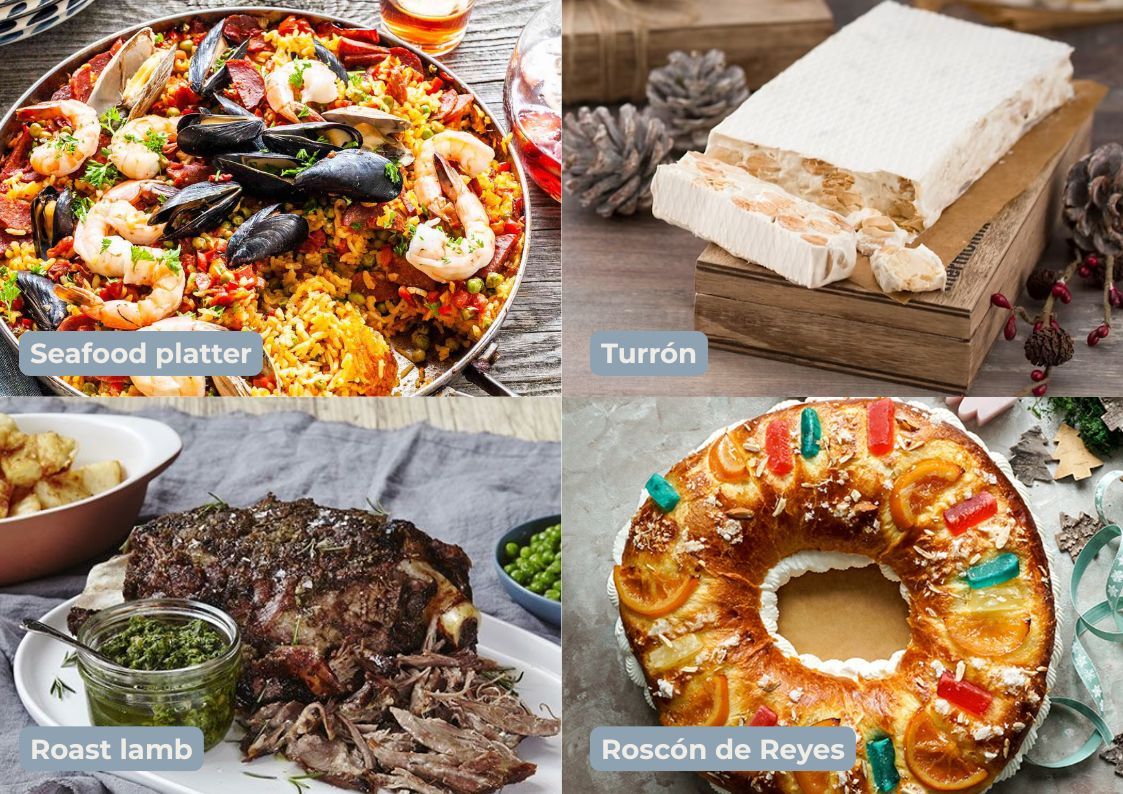
Photo by My Blue Bricks
Christmas Food in Spain: A Feast for All Ages
Spanish Christmas meals are a family event in themselves. Each region has its specialties, but a few favorites appear everywhere:
- Seafood platters: Prawns, clams, and lobster often start the Christmas Eve dinner.
- Roast lamb or suckling pig: A festive favorite in central Spain.
- Cava: Spain’s sparkling wine, raised in every toast.
- Turrón & Polvorones: The must-have sweets of the season.
- Roscón de Reyes: The crown-shaped cake served on Three Kings’ Day.
Cooking is often a multi-generational effort, with grandparents leading the kitchen and children helping decorate the table, a true reflection of Spain’s family-first culture.
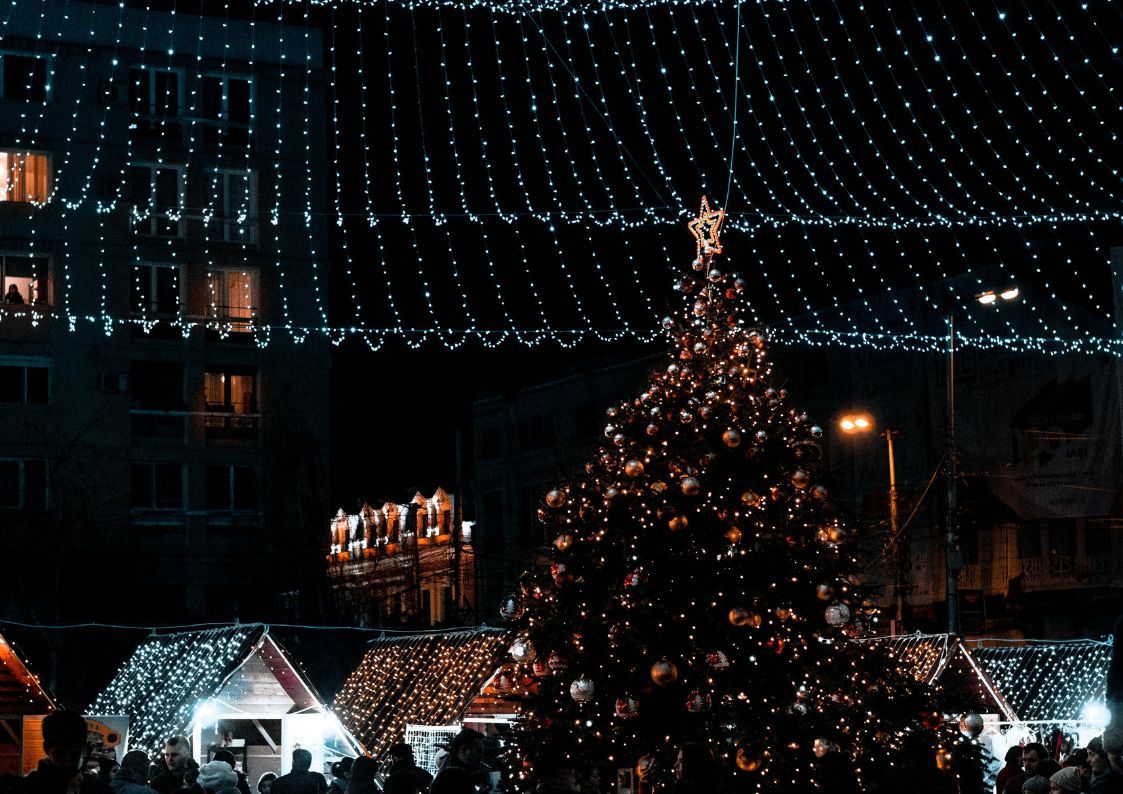
Photo by Sebi Pintilie
Family Fun and Local Traditions
Beyond the dining table, Spain offers endless ways to celebrate as a family:
- Christmas markets fill plazas across the country, selling handmade crafts, ornaments, and sweets.
- Ice rinks and Ferris wheels pop up in major cities like Valencia, Madrid, and Barcelona.
- Nativity scenes (belenes) are a must-see, from life-size displays in plazas to miniature ones in homes.
- Cavalcades of the Three Kings on January 5th are spectacular, with parades, music, and candy showers that delight children every year.
For those living in Spain year-round, these traditions create a beautiful sense of belonging, a reminder that Christmas here is about connection, not consumption.
Spending Christmas in Spain as an Expat or Property Owner
For expats and second-home owners, Christmas in Spain offers a wonderful balance of warmth and community. Even in Winter, many regions, especially along the Mediterranean coast, enjoy sunny days and mild temperatures.
If you own property in Spain or are considering buying, December is also a surprisingly good time to get a feel for your neighborhood. With fewer tourists around, you can see how locals live, shop, and celebrate, a valuable perspective for future buyers.
Final Thoughts
Christmas in Spain is festive yet meaningful, filled with family, flavor, and timeless traditions. Whether you’re lighting candles in your Valencia apartment or walking through a seaside market in Alicante, you’ll find that the Spanish way of celebrating the season is all about warmth, both in weather and spirit.
From El Gordo to Los Reyes Magos, every celebration carries the same message: slow down, gather with loved ones, and enjoy the simple joys that make life in Spain so special.
Navigating Life in Spain with My Blue Bricks
At My Blue Bricks, we help our clients experience the best of Spain, not just through property, but through lifestyle. Whether you’re investing, relocating, or simply exploring, our team connects you with opportunities and insights that bring you closer to your dream of Mediterranean living.
Discover My Blue Bricks Projects | Contact Us | Join Our Newsletter