
Photo by Jocelyn Erskine-Kellie
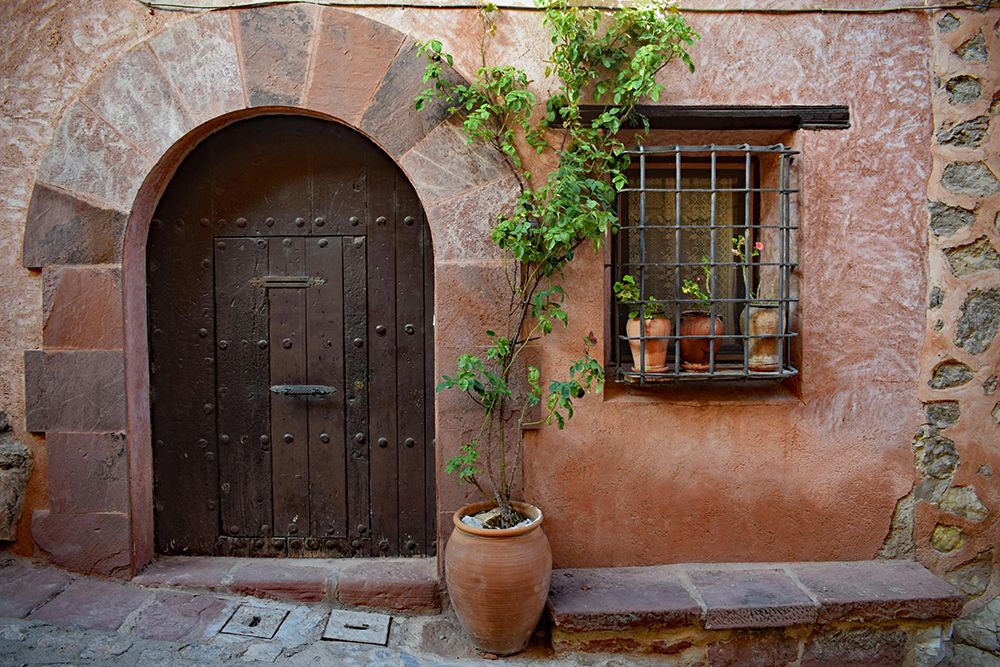
When you picture life in Spain, do you see yourself on a balcony with wrought-iron railings, overlooking a cobblestone street framed by centuries-old buildings? For many buyers, locals and international investors alike, owning a historic home in Spain is more than a property purchase. It’s about living inside a story.
But behind the romance of high ceilings, hand-painted tiles, and stone archways lies a unique set of responsibilities. Buying a historic home can be rewarding, but it requires planning, knowledge, and a clear strategy.
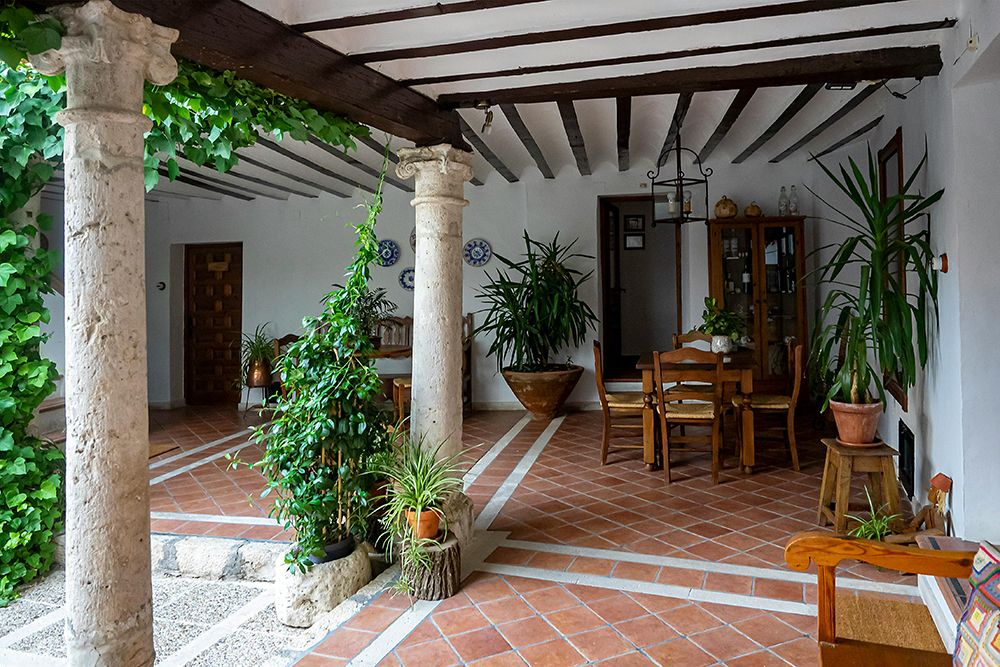
Photo by Manuel Torres Garcia
Why Buyers Are Drawn to Historic Homes in Spain
Historic properties stand apart from new builds. They offer:
- Authenticity & charm: Original features like beams, tiles, or courtyards.
- Lifestyle appeal: Central locations in vibrant old towns or serene rural villages.
- Long-term value: Scarcity makes them more resilient to market shifts.
In cities like Valencia, Seville, and Barcelona, renovated historic apartments are in high demand from both expats and locals. Meanwhile, rural fincas and masías attract those seeking space, privacy, and character.
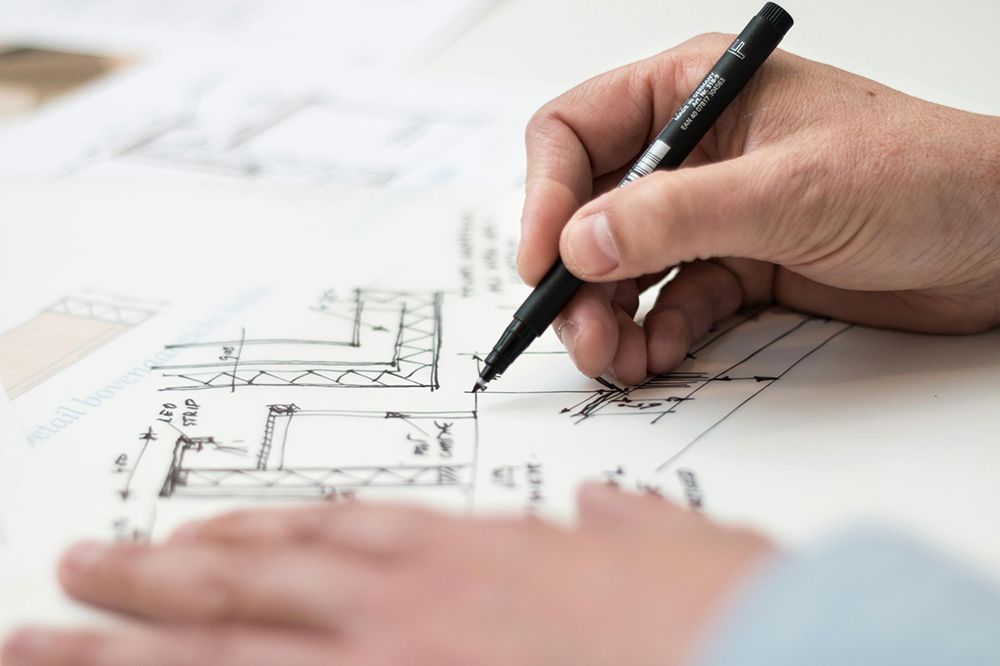
Photo by Lex Photography
Legal Considerations: What to Check Before You Buy
Not every historic property is the same. Some carry protected status (Bien de Interés Cultural) or fall under local heritage rules. This can mean:
- Renovation restrictions: Facades, windows, or interior features may require preservation.
- Permits: Even small changes can require authorization from the local council.
- Tourist licenses: Short-term rental permits can be harder to obtain in historic centers.
Tip: Always confirm whether the property is listed or protected before signing a contract. A good lawyer and local architect can save you time and stress.
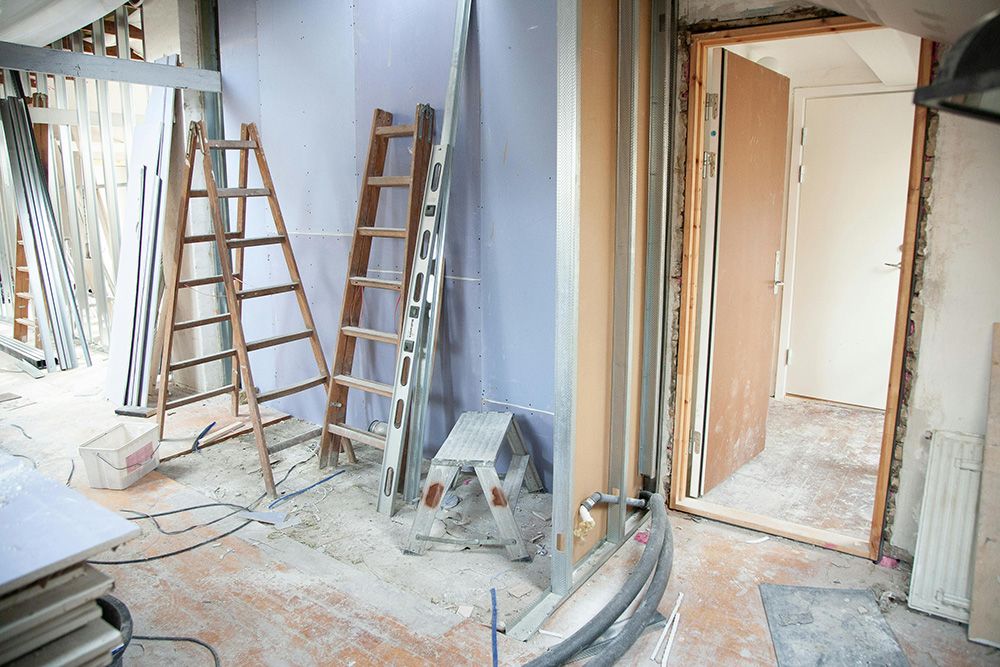
Photo by Rene Terp
Financial Factors: The Real Cost of Charm
Historic homes can look like bargains at first glance, but factor in the renovation budget. Common costs include:
- Rewiring and plumbing upgrades.
- Structural reinforcements.
- Modern insulation and heating systems.
- Restoring original details (tiles, beams, windows).
Good to know: In some cases, Spain offers grants or tax incentives for restoring heritage properties. Ask your legal team to check regional opportunities.
Photos not owned by us
Where to Find Historic Homes in Spain
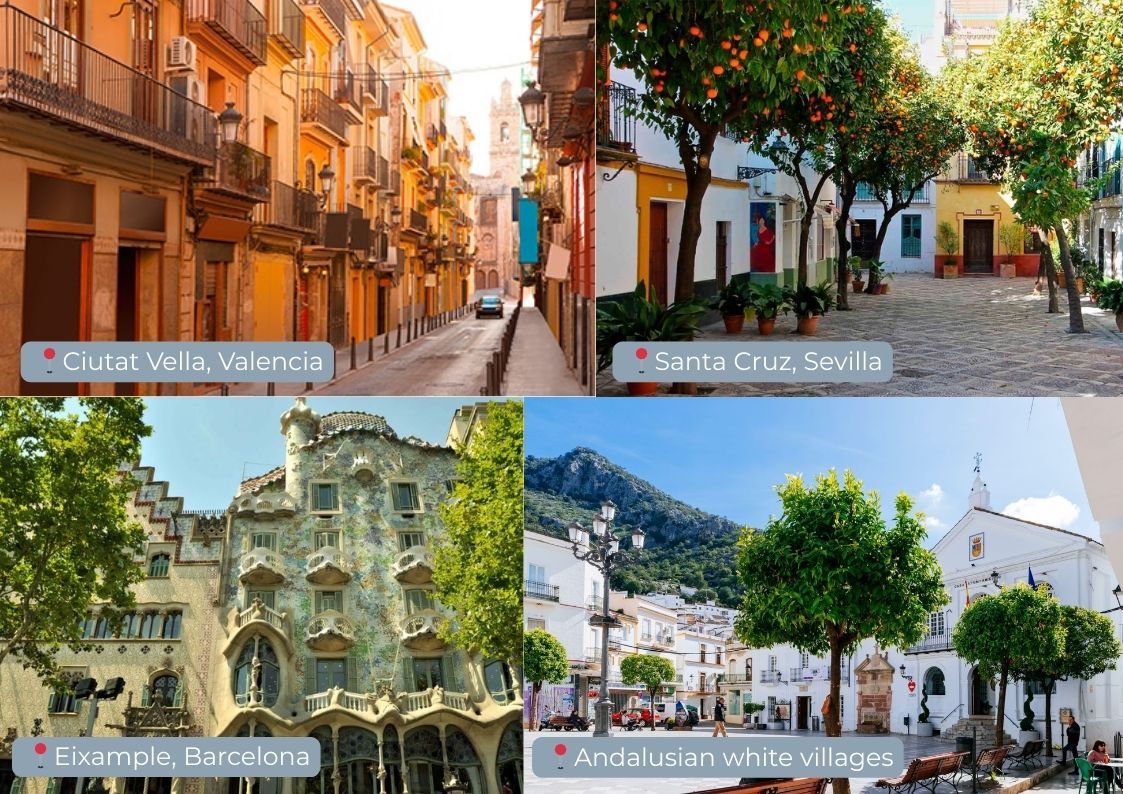
The best places to look depend on your lifestyle goals:
- Ciutat Vella, Valencia: Elegant apartments in medieval and baroque buildings.
- Santa Cruz, Seville: Andalusian patios, Moorish arches, and flamenco soul.
- Eixample, Barcelona: Iconic modernist buildings with high ceilings and balconies.
- Andalusian white villages: Stone houses with rustic charm and mountain views.
Rural fincas & masías: Large estates perfect for family retreats or boutique rentals.
Challenges to Keep in Mind
While rewarding, historic homes do come with challenges:
- Bureaucracy: Permits and approvals can take months.
- Costs: Renovations often exceed those of modern properties.
- Limited supply: Competition is high for well-located, well-preserved homes.
That said, demand continues to grow. Buyers are willing to pay a premium for unique homes in Spain’s cultural hotspots.
How My Blue Bricks Helps Investors
At My Blue Bricks, we understand that buying a historic property isn’t just about finding the right home; it’s about navigating the balance between heritage and modern comfort. From reviewing local regulations to connecting you with trusted architects and legal experts, we guide you through every step of the process.
Historic homes are more than real estate; they’re cultural investments. With the right strategy, you can enjoy the lifestyle of a Spanish historic property while unlocking long-term value for your portfolio.
Discover My Blue Bricks Projects | Contact Us | Join Our Newsletter