

Photo by Luis Quintero
As October gives way to November, Spain slows down. The beaches are quiet, the air cools, and families turn their attention inward. On November 1st, Spain celebrates All Saints’ Day (Día de Todos los Santos), one of the most heartfelt traditions of the year.
It’s a day that honors loved ones, brings families together, and marks the start of Spain’s reflective, festive season. For anyone living here, or considering it, it’s a glimpse into how deeply Spanish life is shaped by rhythm, season, and tradition.

Photo by SHOX art
The Meaning of All Saints’ Day
Rooted in catholic tradition, All Saints’ Day has been observed in Spain for over a thousand years. It’s a public holiday, meaning most offices, shops, and schools close as people travel to their hometowns to visit cemeteries, decorate graves, and spend time together.
Across the country, streets fill with the scent of fresh flowers, and bakeries prepare seasonal sweets like huesos de santo (marzipan pastries) and buñuelos de viento (cream-filled fritters). It’s a day of quiet remembrance, more reflective than sad, and one that reveals the Spanish talent for blending celebration with meaning.
Local Traditions Across Spain
Every region adds its own flavor to the day. In Catalonia, people celebrate La Castanyada with roasted chestnuts, panellets (almond pastries), and sweet wine. In Andalusia, families often gather for a long meal after visiting loved ones. Meanwhile, Madrid and Valencia host cultural events and concerts dedicated to the occasion, balancing solemnity with community.
Even major cities feel different on this day, quieter, more peaceful, with time slowing down just enough to remind everyone what really matters.
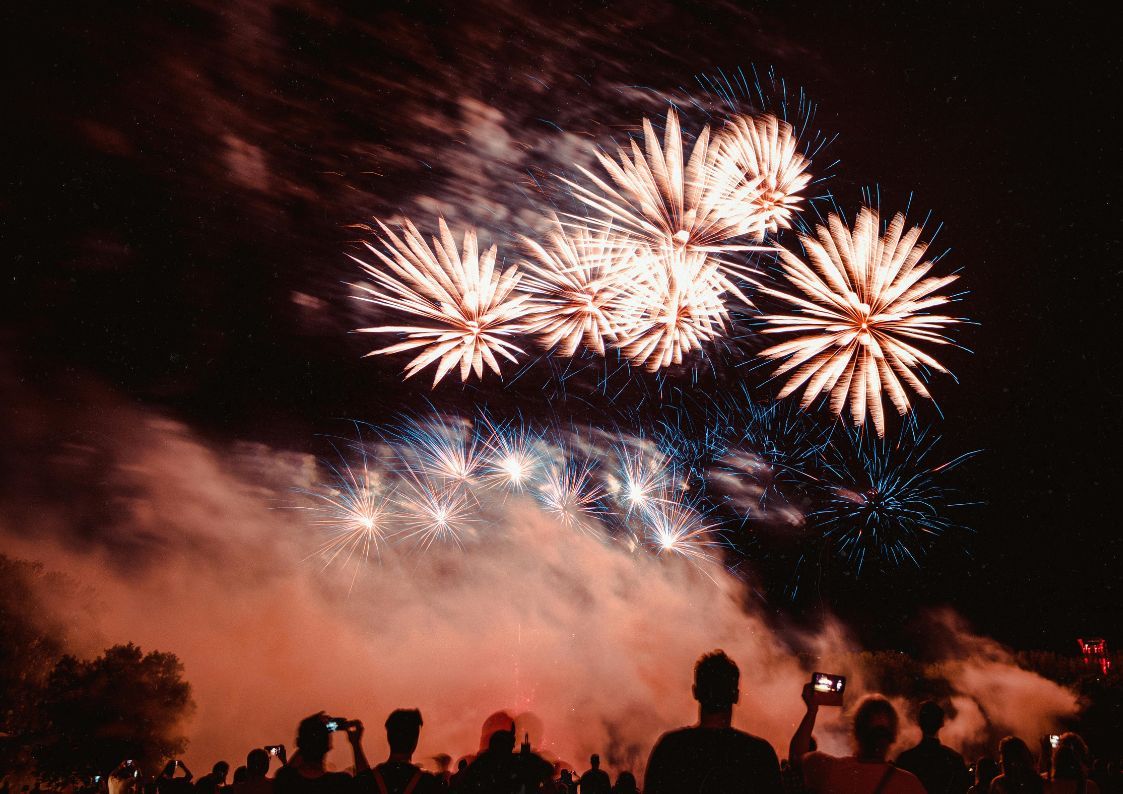
Photo by Jonas Von Werne
How Spain Winds Down for the Holidays
All Saints’ Day is more than just a single holiday; it marks the beginning of Spain’s end-of-year season, when routines relax and community takes center stage.
November transitions gently into Christmas (Navidad), a month-long celebration filled with markets, nativity scenes, and neighborhood lights. By January, Three Kings’ Day (Día de los Reyes Magos) closes the festive period with parades and family gatherings, stretching the holidays longer than in most European countries.
For residents and expats, it’s a time when Spain feels more local and connected. For property buyers and investors, it’s a moment to understand the country’s natural rhythm, when businesses slow, families focus on home, and many transactions pause until the new year.
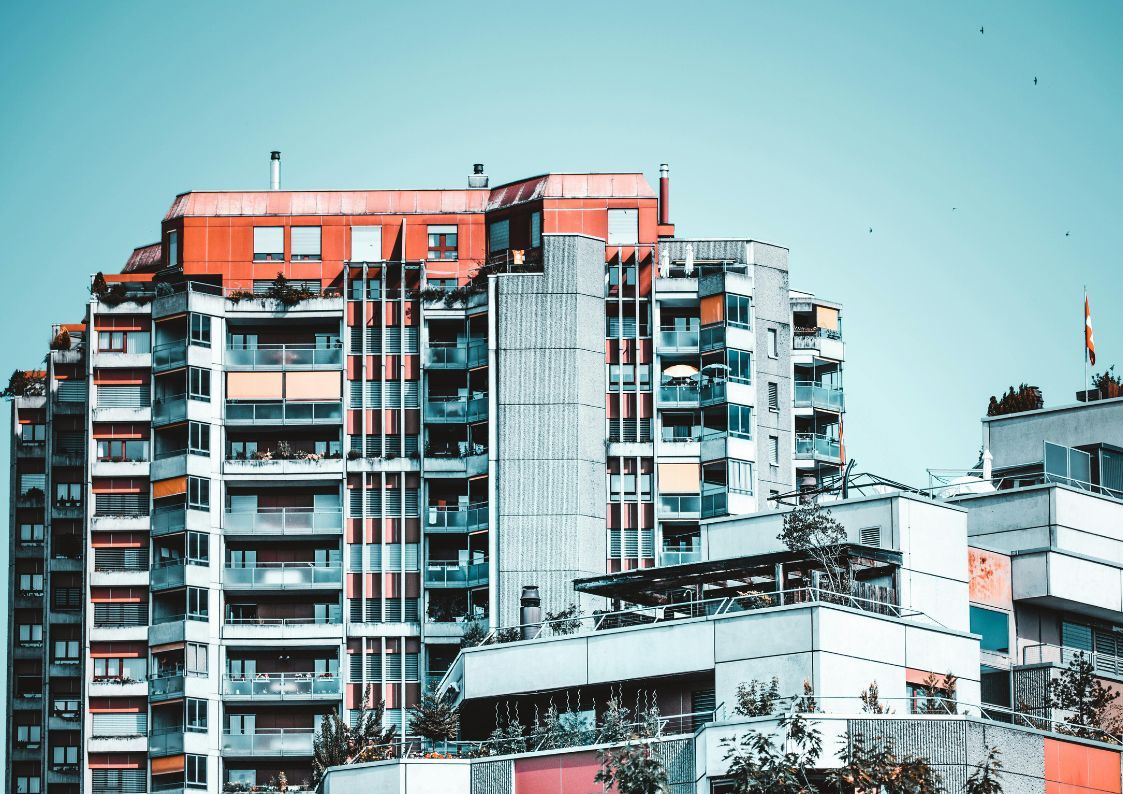
Photo by Louis
What This Means for Property Buyers
In real estate terms, November through early January is a quieter season in Spain. With many professionals and sellers taking time off, the market moves at a slower, more thoughtful pace. Yet for serious buyers, this calm can be an advantage.
Fewer active purchasers mean more room for negotiation. Sellers aiming to close deals before year-end may be open to offers, and buyers can take their time exploring properties without the rush of peak summer demand.
It’s also a great period to prepare for the year ahead, reviewing financing, setting investment goals, and planning property visits for early spring, when listings typically increase again.
A Season for Reflection and Smart Decisions
All Saints’ Day reminds us that Spain’s real charm lies in its rhythm: one that balances activity and rest, celebration and calm. As the country eases into the holidays, it’s an ideal time for property buyers to slow down too, to reflect, research, and prepare for the next move.
Navigating Spain’s Market with My Blue Bricks
At My Blue Bricks, we help investors and homebuyers understand not just the numbers, but the lifestyle behind them. From Valencia’s year-round vibrancy to the calm of Spain’s coastal towns, we guide you through every season of the property market with clarity and confidence.
Discover My Blue Bricks Projects | Contact Us | Join Our Newsletter