
The Spanish property market is entering the final stretch of 2025 with a mix of stability, opportunity, and selective growth. After years of strong recovery post-COVID, rising interest rates, and regulatory shifts, buyers and investors are now navigating a landscape that feels both competitive and promising.
Whether you’re considering a lifestyle move to Spain’s coast or evaluating your next buy-to-let opportunity, here’s the state of play.

Photo by Pavel Danilyuk
The Bigger Picture Across Spain
1. Market Stabilization
After the surge of demand in 2021-2023, the Spanish property market has steadied. Prices are no longer rising at breakneck speed, but strong demand in key cities such as Madrid, Barcelona, Valencia, Málaga, and Alicante keeps the market resilient.
2. Interest Rates Normalizing
European Central Bank hikes slowed mortgage demand in 2023-2024. Now, forecasts for 2025 suggest a gradual easing, which could spark renewed appetite from both domestic and international buyers.
3. Rental Market Pressures
Tourist-license restrictions in cities such as Barcelona, Valencia, and Palma are pushing some owners to pivot from short-term rentals into the long-term rental market. This shift keeps rental demand strong, especially in urban hubs with large student and expat populations.
4. International Demand
Spain remains a magnet for foreign capital. Spain continues to appeal to retirees seeking sun, expats relocating for lifestyle, and digital nomads drawn by its cost of living and quality of life. These factors, combined with ongoing urban development, are shaping Spain’s real estate outlook into one of cautious but steady growth.

Photo by Stas Knop
Spotlight on Valencia
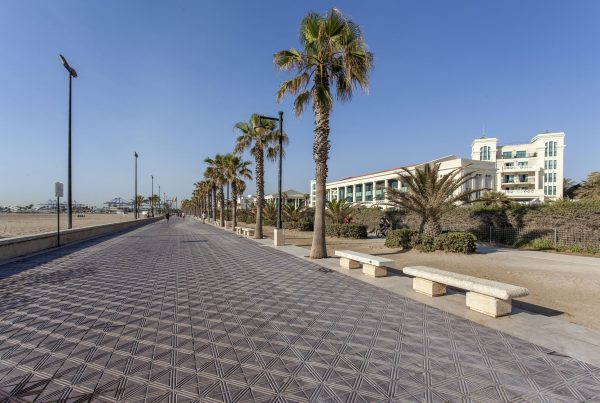
Valencia has become one of Spain’s most dynamic markets, balancing lifestyle appeal with solid investment returns. In 2024, rental yields averaged 6.2% citywide, with hotspots like Ruzafa, El Carmen, and Cabanyal reaching 7-8%. After the post-pandemic surge, the market is now stabilizing, a positive sign for long-term investors.
Looking ahead to 2025, three trends stand out: tighter tourist-license rules are shifting more properties into long-term rentals, demand from expats and digital nomads continues to grow, and interest rates are expected to slowly normalize.
Our outlook? Central barrios should hold steady yields of 6-7%, while fringe districts such as Torrefiel and Patraix could climb to 8-9%. Premium neighborhoods like Cabanyal and El Carmen will stay competitive. For investors, Valencia in 2025 means stable returns with room for selective growth.

Photo by RDNE Stock project
Key Challenges to Keep in Mind
- Financing Hurdles: Mortgage approvals remain slower than pre-COVID, with mortgage approvals requiring more documentation and longer lead times, so planning is essential.
- Regional Differences: While Madrid and Barcelona face regulatory pressure, mid-sized cities (like Valencia, Málaga, and Alicante) are showing stronger relative growth.
- Seasonality: Coastal rentals can still dip in winter; diversified strategies are key for consistent returns.
Navigating the Market with My Blue Bricks
Spain’s property market currently offers opportunities for those who act strategically. At My Blue Bricks, we help investors identify where stability meets growth, structure deals effectively, and secure long-term returns.
Whether you’re targeting Valencia’s high-yield barrios, Málaga’s lifestyle appeal, or Alicante’s coastal investments, our local expertise ensures your journey is clear and confident.
Discover My Blue Bricks Projects | Contact Us | Join Our Newsletter