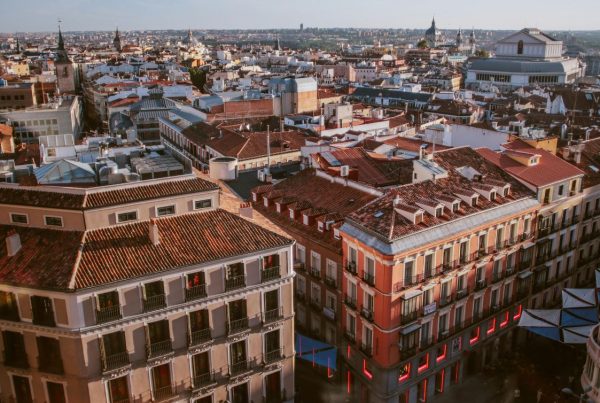


Photo by Aleksandar Pasaric
Spain has long captured the imagination of travelers and expats alike. Sun-drenched coastlines, vibrant cities, and a slower pace of life all make it easy to dream about living here full-time. But what’s life in Spain really like when you move beyond the holiday glow and settle into the rhythm of the seasons?
From the everyday pleasures to the unexpected challenges, here’s a closer look at the reality of living in Spain year-round.
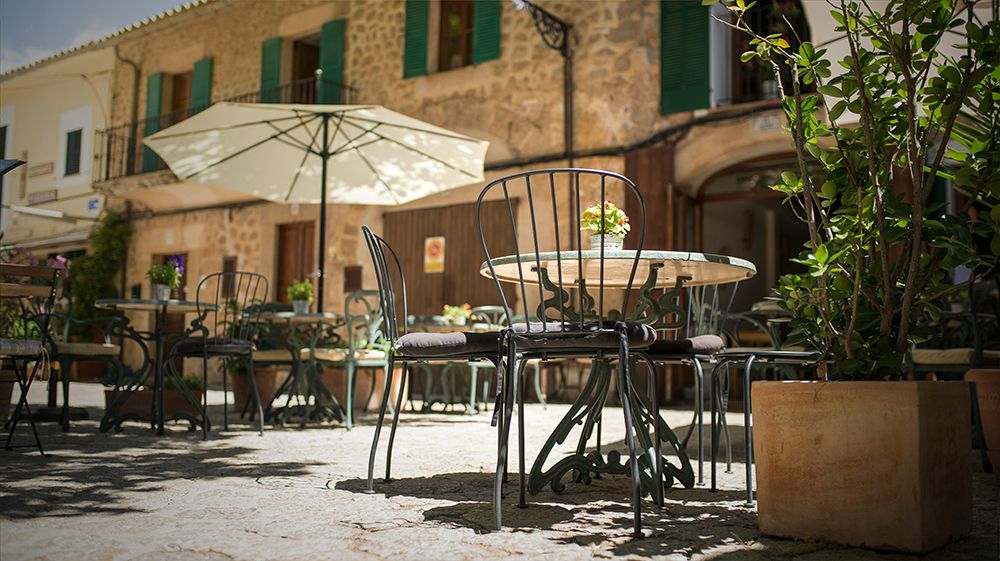
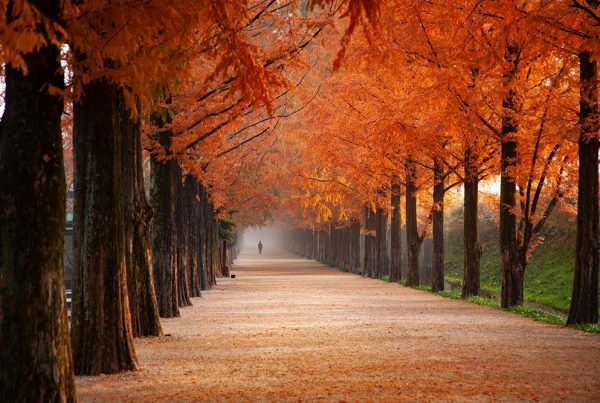
Photo by Alex Staudinger
The Pros: Why So Many Stay
1. The Climate
With over 300 days of sunshine in regions such as Valencia, Alicante, and Málaga, Spain’s weather is one of its biggest draws. Winters are milder than those in much of Northern Europe, and summers bring long days of warmth, ideal for beach lovers and outdoor living.
2. A Slower Pace of Life
Life in Spain moves at a different rhythm. Meals stretch longer, evenings spill out onto terraces, and Sundays are reserved for family. For many, this shift offers a healthier work-life balance and a deeper sense of community.
3. Cost of Living
Compared to other Western European countries, Spain offers excellent value. From market-fresh produce to dining out, the day-to-day cost of living remains affordable, particularly outside major tourist hubs.
4. Healthcare & Lifestyle
Spain boasts one of the world’s best healthcare systems. Combined with a Mediterranean diet, active outdoor lifestyle, and access to fresh food, it’s no surprise Spain consistently ranks high for quality of life and longevity.
The Cons: What Takes Getting Used To
1. Bureaucracy
Ask any expat and they’ll agree: Spanish paperwork is a test of patience. Whether it’s registering for residency, applying for utilities, or filing taxes, navigating the system takes persistence and often, professional guidance.
2. Language Barrier
While English is widely spoken in tourist areas, daily life often requires Spanish and sometimes regional languages like Catalan or Valencian. For newcomers, learning the language is essential for integration.
3. Seasonal Extremes
Yes, winters are milder, but they can also be surprisingly cold inside Spanish homes, which often lack central heating. Summers in the south can be intense, with temperatures soaring well past 35°C.
4. Regional Differences
Spain isn’t one-size-fits-all. Living in cosmopolitan Madrid is a different experience from life in a small Andalusian village. Each region has its own culture, traditions, and even pace of life, something to research before making a move.
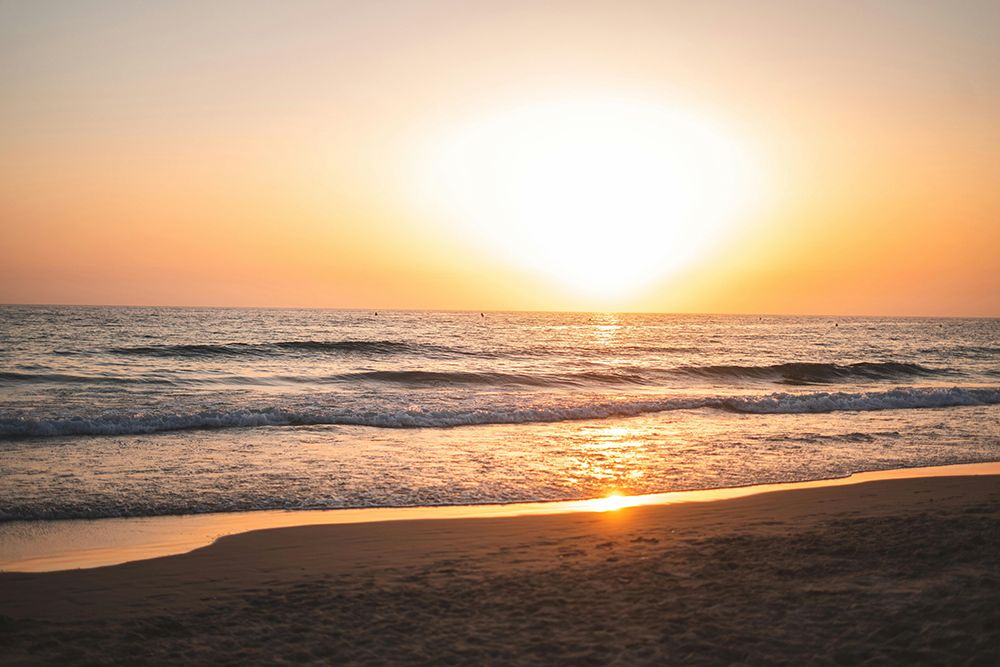
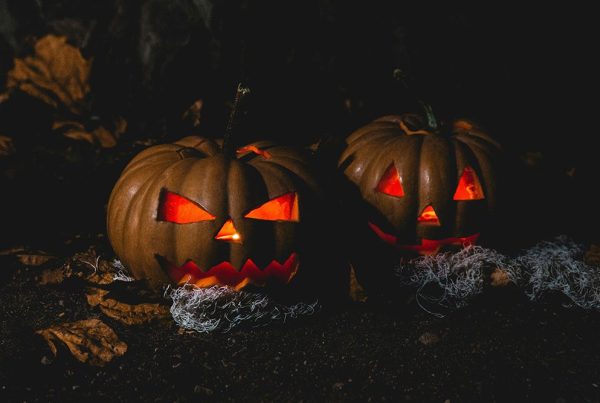
Photo by Gonzalo Mendiola
The Surprises: Beyond the Stereotypes
Community Spirit
Despite stereotypes of late nights and fiestas, what surprises many expats is Spain’s strong sense of community. Neighbors greet each other warmly, and local traditions, from fallas in Valencia to feria in Seville, bring people together year after year.
Work Culture Shifts
While Spain is famous for its relaxed lifestyle, major cities like Madrid, Barcelona, and Valencia are also hubs of innovation and entrepreneurship. For professionals and digital nomads, opportunities often exceed expectations.
Seasonal Living
Tourist hotspots change dramatically with the seasons. A buzzing coastal town in July may feel like a sleepy village in January. Year-round residents learn to embrace the ebb and flow, discovering a quieter charm outside of peak season.
Photo by Tyler Hendy
So, What’s It Really Like?
Living in Spain year-round is about balance. It’s sunshine, affordable living, and vibrant culture, paired with bureaucracy, cultural adjustments, and seasonal quirks. For those willing to adapt, the rewards are immense: a lifestyle rooted in community, health, and enjoyment of life’s simple pleasures.
Navigating Your Move with My Blue Bricks
At My Blue Bricks, we don’t just help investors buy property in Spain; we guide people through the reality of living here. From choosing the right city to understanding the local market, we ensure you’re prepared for both the joys and challenges of year-round life in Spain.
Discover My Blue Bricks Projects | Contact Us | Join Our Newsletter